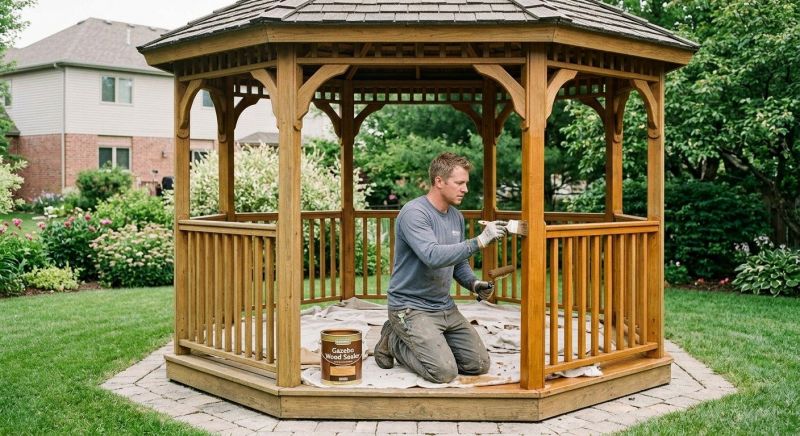
Veranda Sealing in Seattle, WA
Veranda sealing services involve applying protective coatings to outdoor porch structures to help safeguard the wood and other materials from moisture, UV rays, and general wear. This service is commonly requested for projects such as sealing existing verandas, porches, or decks to extend their lifespan and maintain their appearance. Property owners typically want to understand the benefits of sealing, including how it can prevent water damage, reduce cracking or warping, and keep the surface looking fresh and well-maintained over time.
Before requesting veranda sealing, homeowners should consider the current condition of their outdoor structures, including any existing damage or deterioration. It’s important to choose the appropriate type of sealant for the specific materials and climate conditions, as well as to understand the recommended frequency of reapplication. Proper preparation, such as cleaning and repairs, often plays a key role in ensuring the sealing process delivers the best results and helps preserve the integrity of the veranda for years to come.
Many property owners in Seattle, WA look into Veranda Sealing for repairs, replacements, upgrades, and appearance-related improvements.
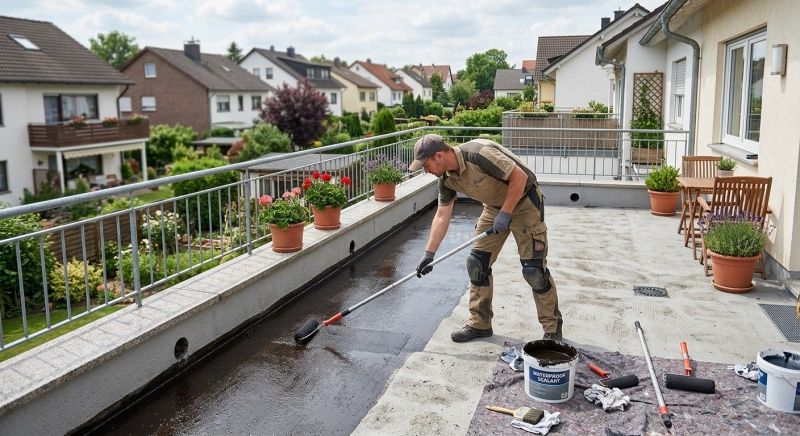
Veranda Protection
Sealing helps prevent water damage and extends the life of your veranda.
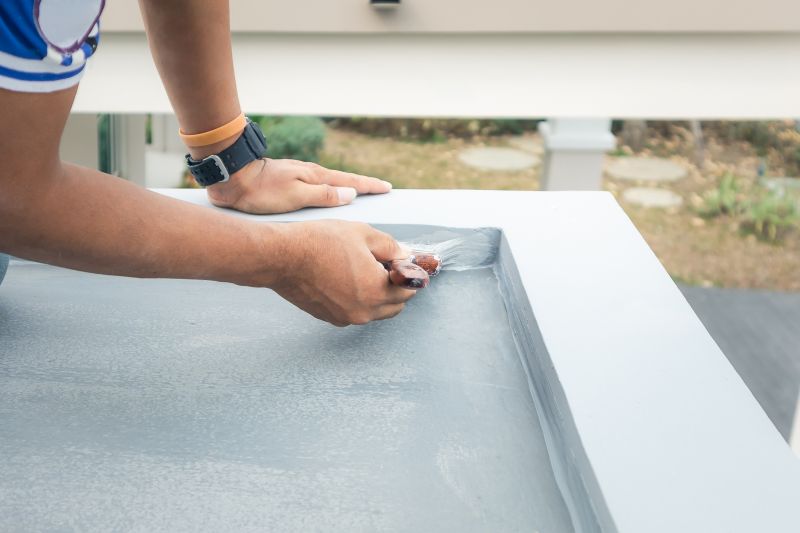
Enhancing Appearance
A well-sealed veranda maintains its aesthetic appeal and resists staining.
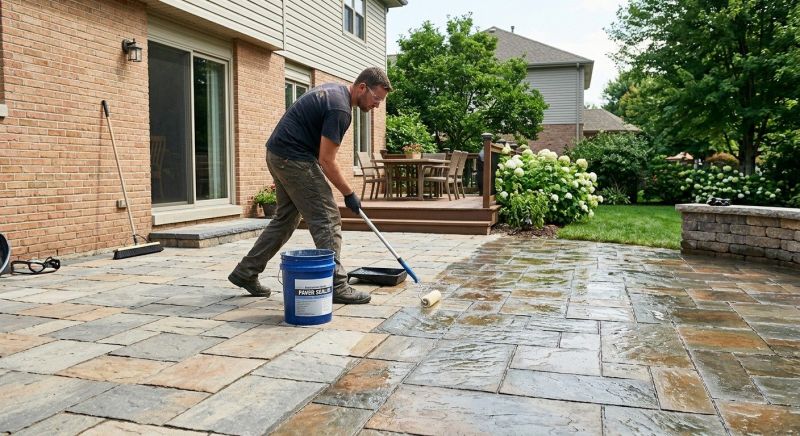
Maintenance And Care
Regular sealing minimizes the need for costly repairs and keeps your outdoor space looking its best.
Veranda Sealing in Seattle, WA
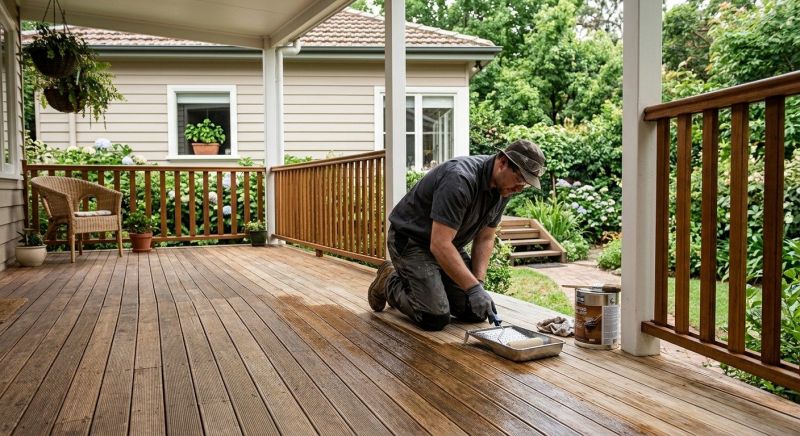
Veranda sealing services involve applying protective coatings to outdoor porch structures to help safeguard the wood and other materials from moisture, UV rays, and general wear. This service is commonly requested for projects such as sealing existing verandas, porches, or decks to extend their lifespan and maintain their appearance. Property owners typically want to understand the benefits of sealing, including how it can prevent water damage, reduce cracking or warping, and keep the surface looking fresh and well-maintained over time.
Before requesting veranda sealing, homeowners should consider the current condition of their outdoor structures, including any existing damage or deterioration. It’s important to choose the appropriate type of sealant for the specific materials and climate conditions, as well as to understand the recommended frequency of reapplication. Proper preparation, such as cleaning and repairs, often plays a key role in ensuring the sealing process delivers the best results and helps preserve the integrity of the veranda for years to come.
Many property owners in Seattle, WA look into Veranda Sealing for repairs, replacements, upgrades, and appearance-related improvements.
Common Veranda Sealing Jobs
Veranda sealing helps protect wood surfaces from moisture and weather damage.
Deck sealing extends the lifespan of outdoor decking by preventing water penetration.
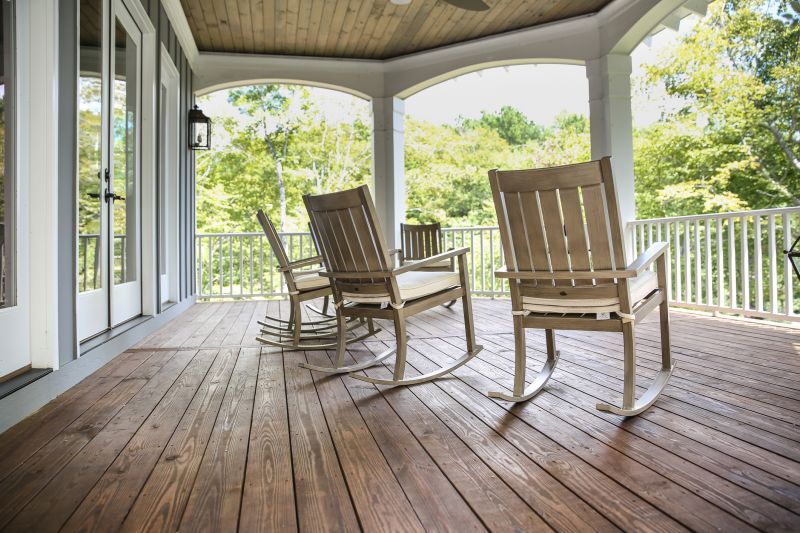
Porch sealing preserves the appearance and integrity of porch flooring and railings.
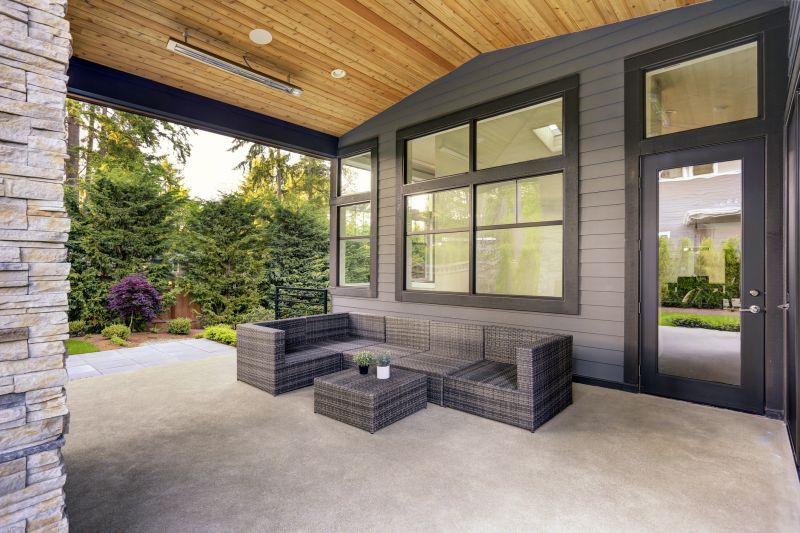
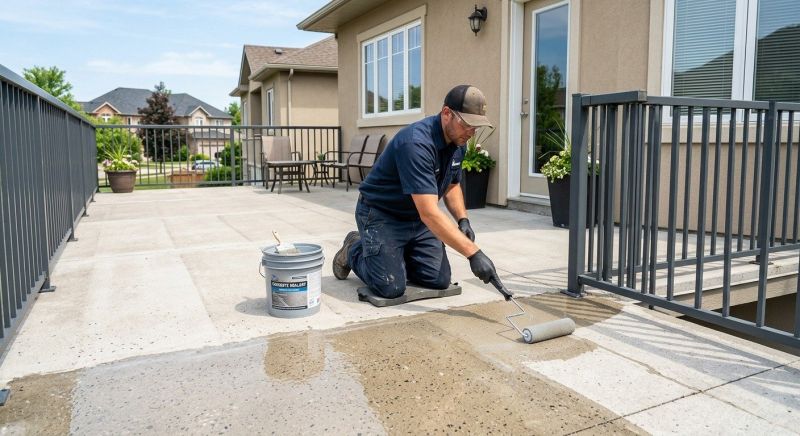
Patio sealing guards stone and concrete surfaces against stains and erosion.
Outdoor furniture sealing shields wood and composite furniture from moisture and UV rays.
Sealing maintenance involves reapplying sealant to ensure continued protection over time.
Veranda Sealing Questions
What is veranda sealing? Veranda sealing involves applying a protective coating to the surface to prevent damage from moisture, UV rays, and daily wear.
Why should a veranda be sealed? Sealing helps extend the life of the veranda, maintains its appearance, and reduces the need for repairs caused by weather exposure.
When is the best time to seal a veranda? The ideal time for sealing is during dry weather with mild temperatures to ensure proper adhesion and curing.
What types of materials can be sealed on a veranda? Common materials include wood, composite, and concrete surfaces, each requiring specific sealing products for optimal protection.
Request Veranda Sealing in Seattle, WA
Use the quote form on this page to share the basics of your project and request more information for the type of work you need.